
Cancer Support Programs That Make a Difference
Helping people affected by cancer find strength, comfort and connection through treatment, recovery and beyond.
A cancer diagnosis can affect every part of a person's life. Beyond the appointments, treatments and physical challenges, there are emotional, practical and personal needs that deserve just as much care and attention.
At the San, our Cancer Support Programs offer patients and their families a place to find comfort, connection and support when they need it most. From mindfulness and art therapy to counselling, nutrition workshops and support groups, these programs help people feel supported beyond their medical treatment.
Made possible through the generosity of our community, these programs provide care that goes beyond medicine.
With your help, San Foundation can continue funding these valuable services, ensuring more patients and families have access to the support they need.
Donate now
Every contribution makes a difference. Thank you for supporting our cause.
Secure Payment
$400
raised of $15,000 goal
Thanks to 2 supporters
3%
Thanks to 2 supporters
Our Cancer Support Programs

Exercise Groups
Our exercise groups help patients improve strength, fitness and mobility in a safe and supportive environment, promoting physical recovery, confidence and overall wellbeing during and after treatment.
Art Therapy Classes
Through creative expression, patients can process their emotions, reduce distress, and discover new ways to communicate their experience.
Yoga Classes
Gentle yoga helps improve physical strength, flexibility, and relaxation, supporting overall wellbeing during and after treatment.
Nutrition Workshops
Educational sessions focused on healthy eating to support recovery, boost energy, and empower patients to make informed nutritional choices.
Yarn Group
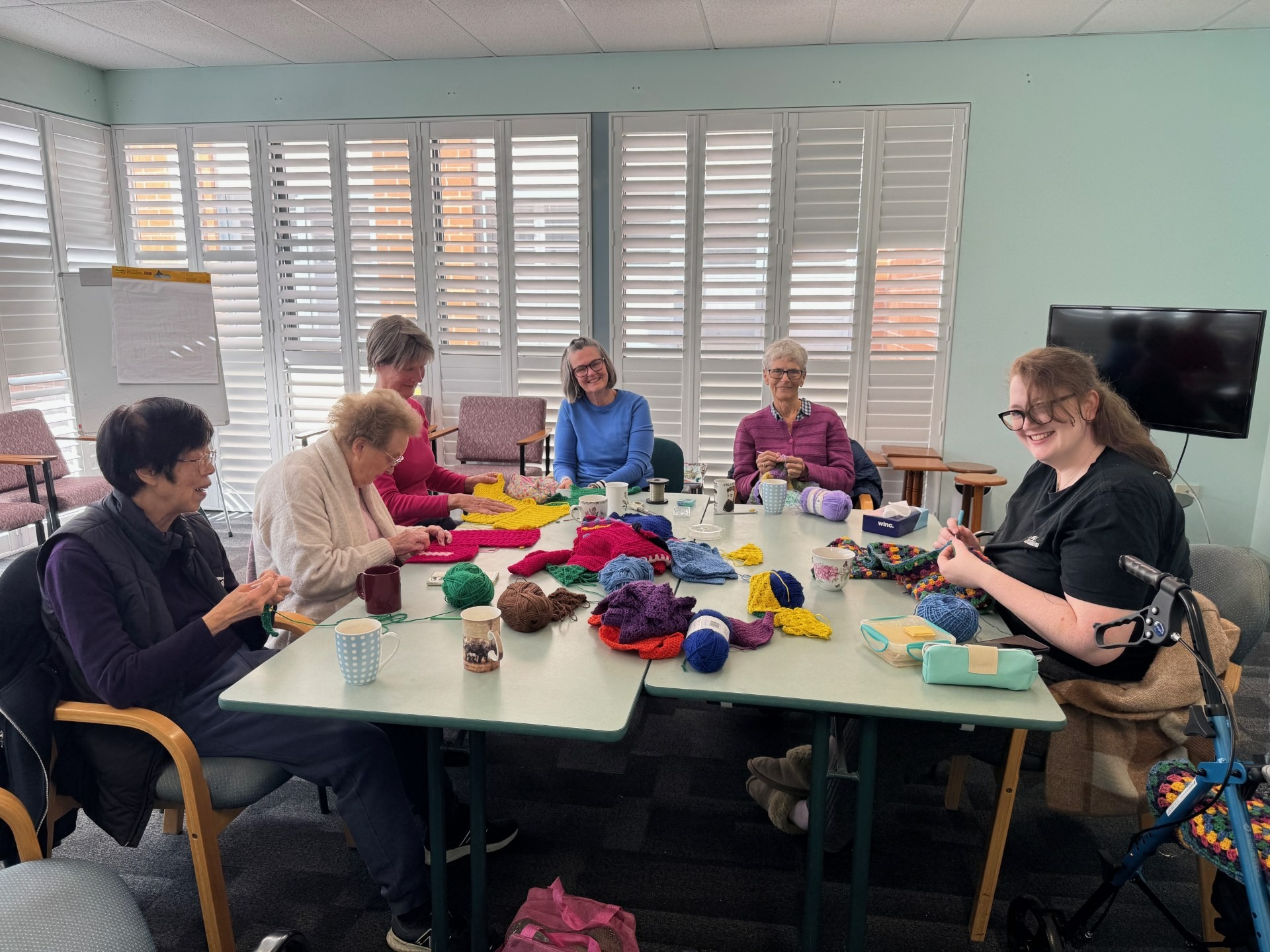
A social and creative gathering where patients connect, share stories, and find comfort in a supportive community while engaging in a calming craft.
Counselling Services
Professional counselling provides emotional support and coping strategies for patients and their families, helping to navigate the complex feelings associated with cancer.
Wig Library
A resource offering a range of wigs and headwear to help patients maintain confidence and dignity during hair loss caused by treatment.
Support Groups
Our support groups are available for both public and private patients, regardless of where treatment has been provided, and can be attended as often as required.
These programs offer so much more than activities and services. They provide moments of relief, opportunities for connection and reassurance during times when it matters most.
With your support, we can continue making these programs available to patients and families, helping ensure no one has to face the challenges of cancer without care and support.
Words from a grateful patient
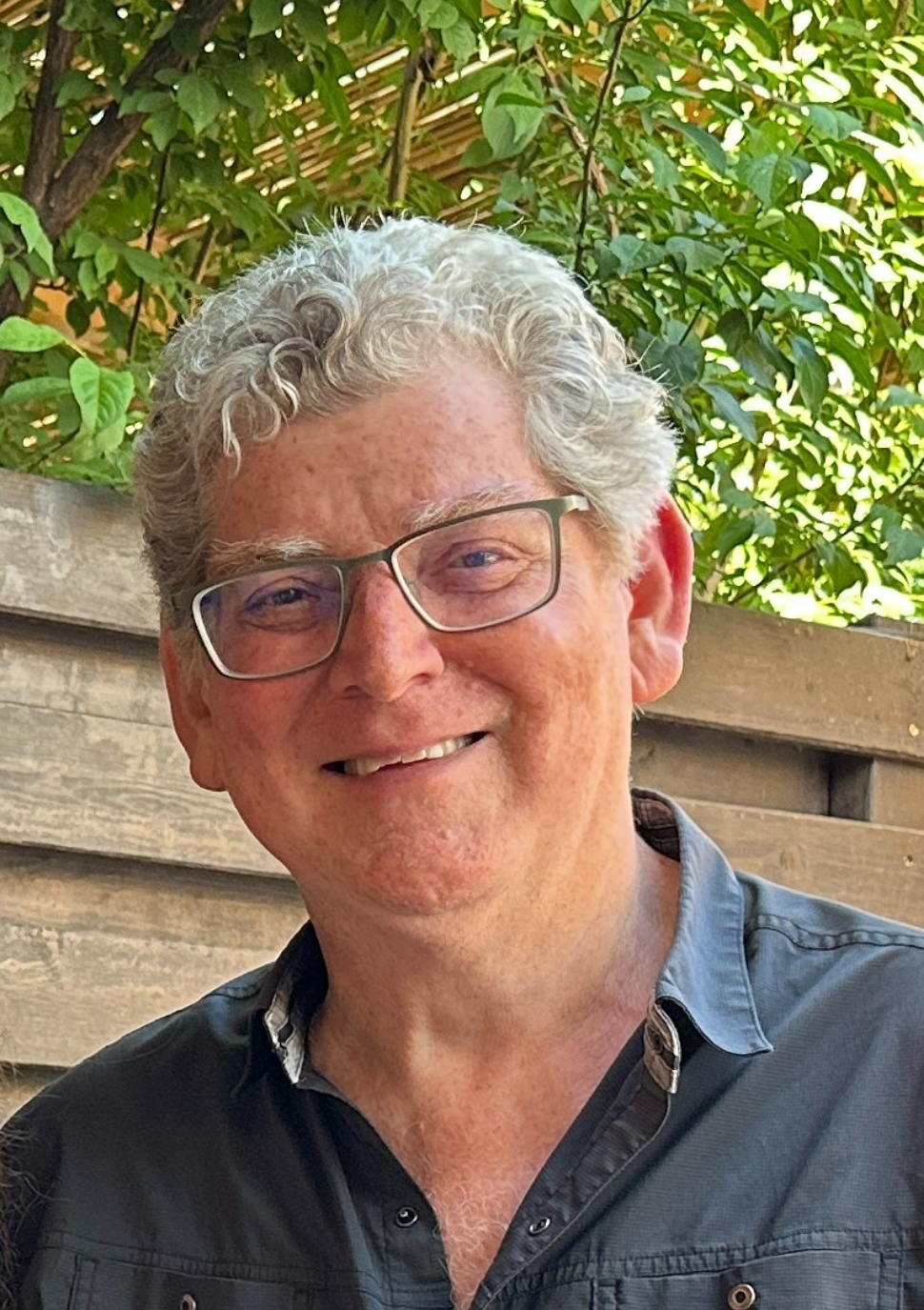

After being diagnosed with renal and prostate cancer and going through the treatments, the Cancer Support team was so vital for me to find light at the end of what was sometimes a long dark tunnel.
Support such as Counselling, Yoga, Group meetings and one on one support were just so very important.
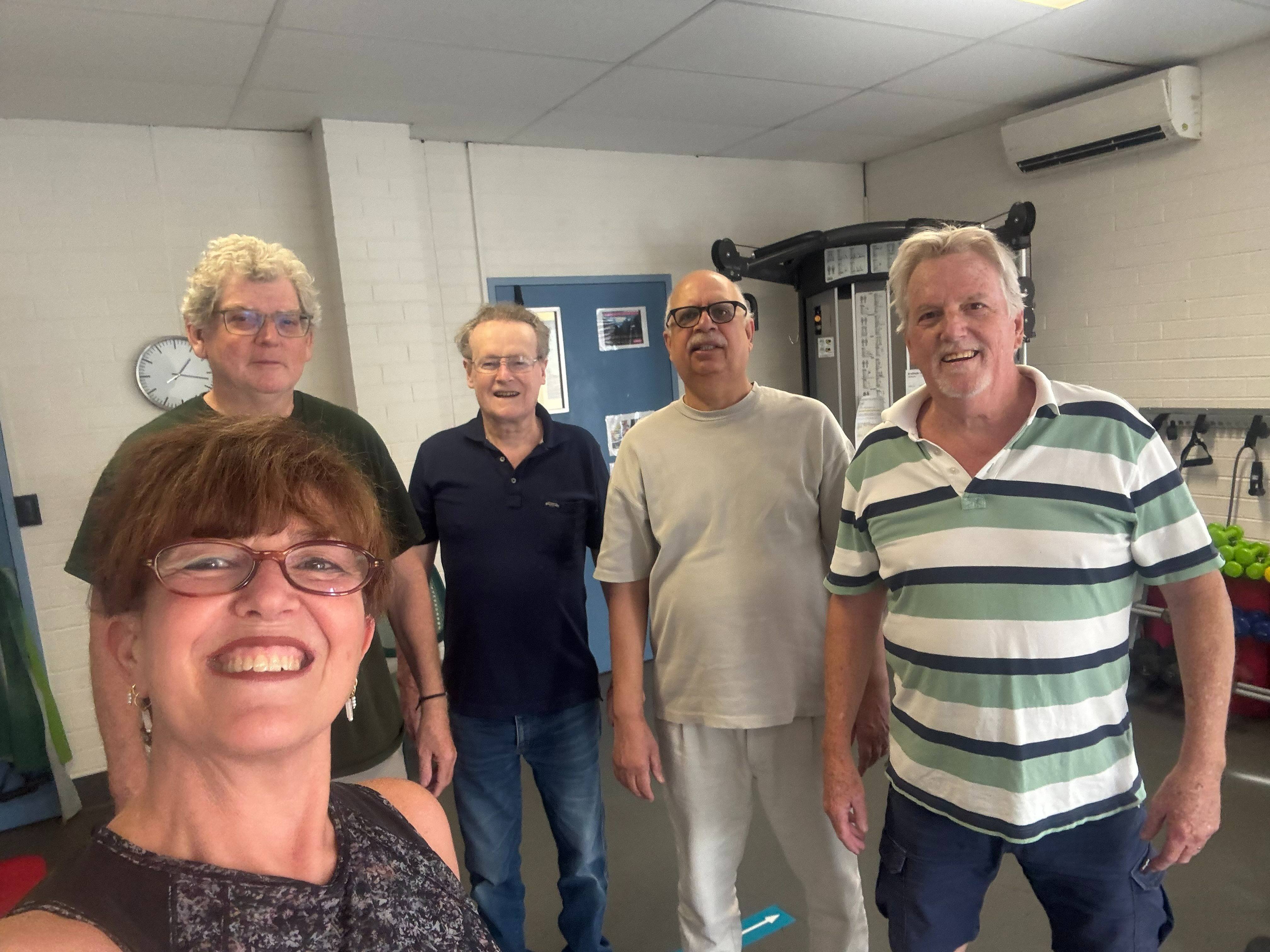
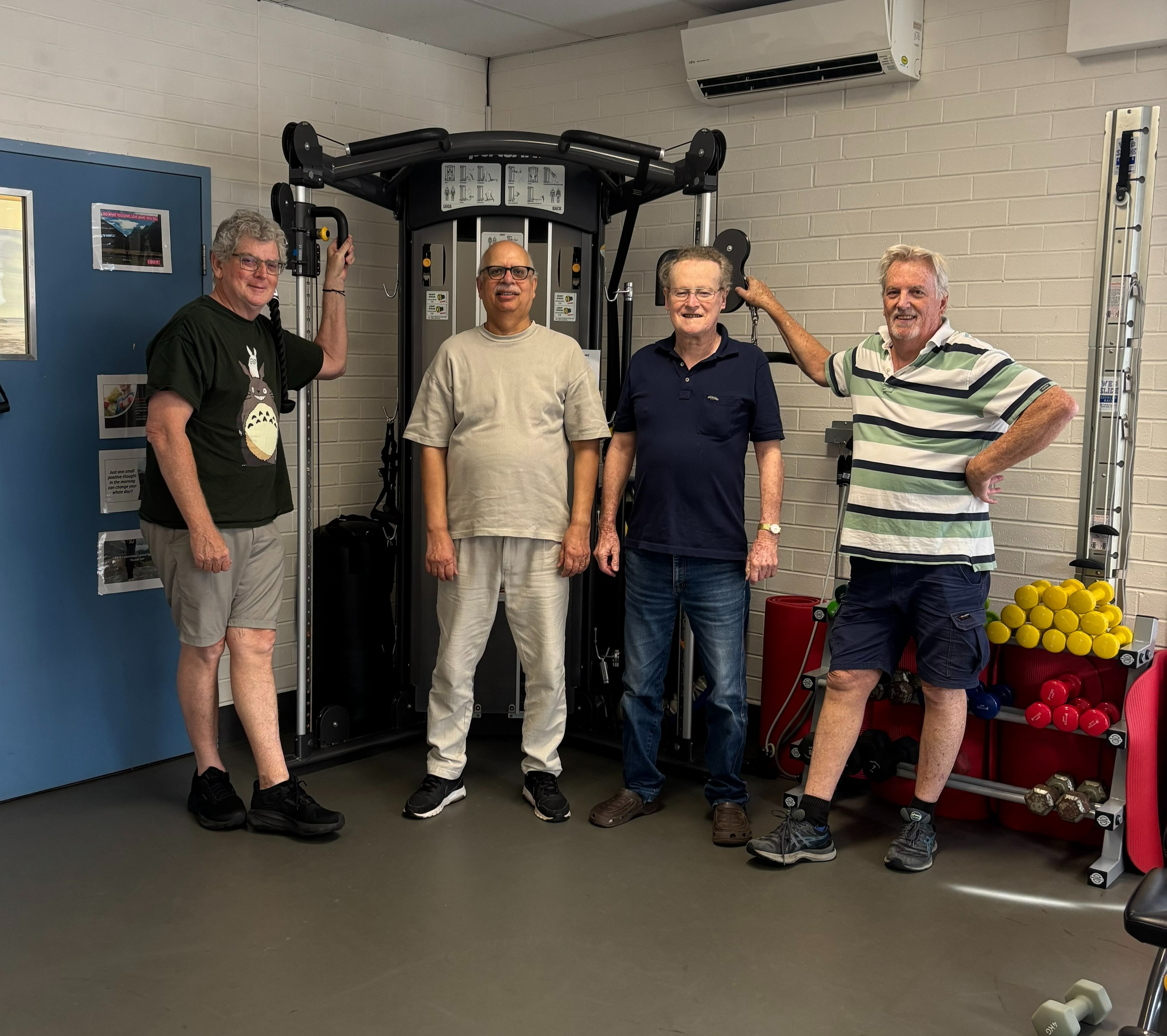
The Men's Exercise Group at the San became an important part of my recovery. It wasn't just about keeping active and rebuilding my strength, but also about meeting other men who understood what I was going through.
Exercise also is extremely helpful with mental wellbeing after a life changing health experience.
Having somewhere to go each week, sharing a laugh and encouraging one another made such a difference. It's more than an exercise group. It's a place where you feel supported, connected and know you're not facing things alone.
I'm incredibly grateful that programs like this are available to patients like me.
Rod
Grateful Patient
Leading with compassion and innovation
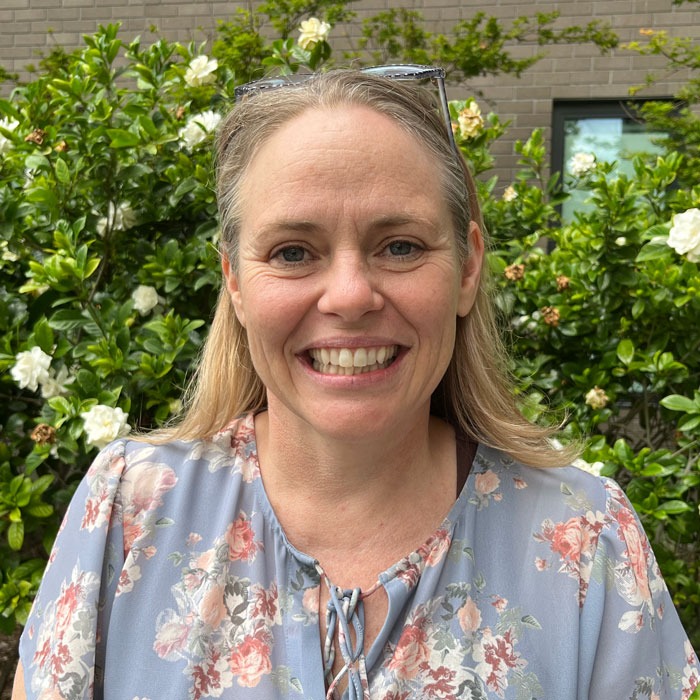

At the San Cancer Support Centre, we are dedicated to nurturing the whole person - mind, body, and spirit. Our programs are designed to provide comfort, empowerment, and connection during one of life’s most challenging times. Thanks to the generosity of our community, we can offer vital services that help patients, and their families find strength, hope, and healing beyond medical treatment. It’s truly inspiring to witness the positive impact these programs have every day.
Danielle Stone
San Cancer Support Centre Manager
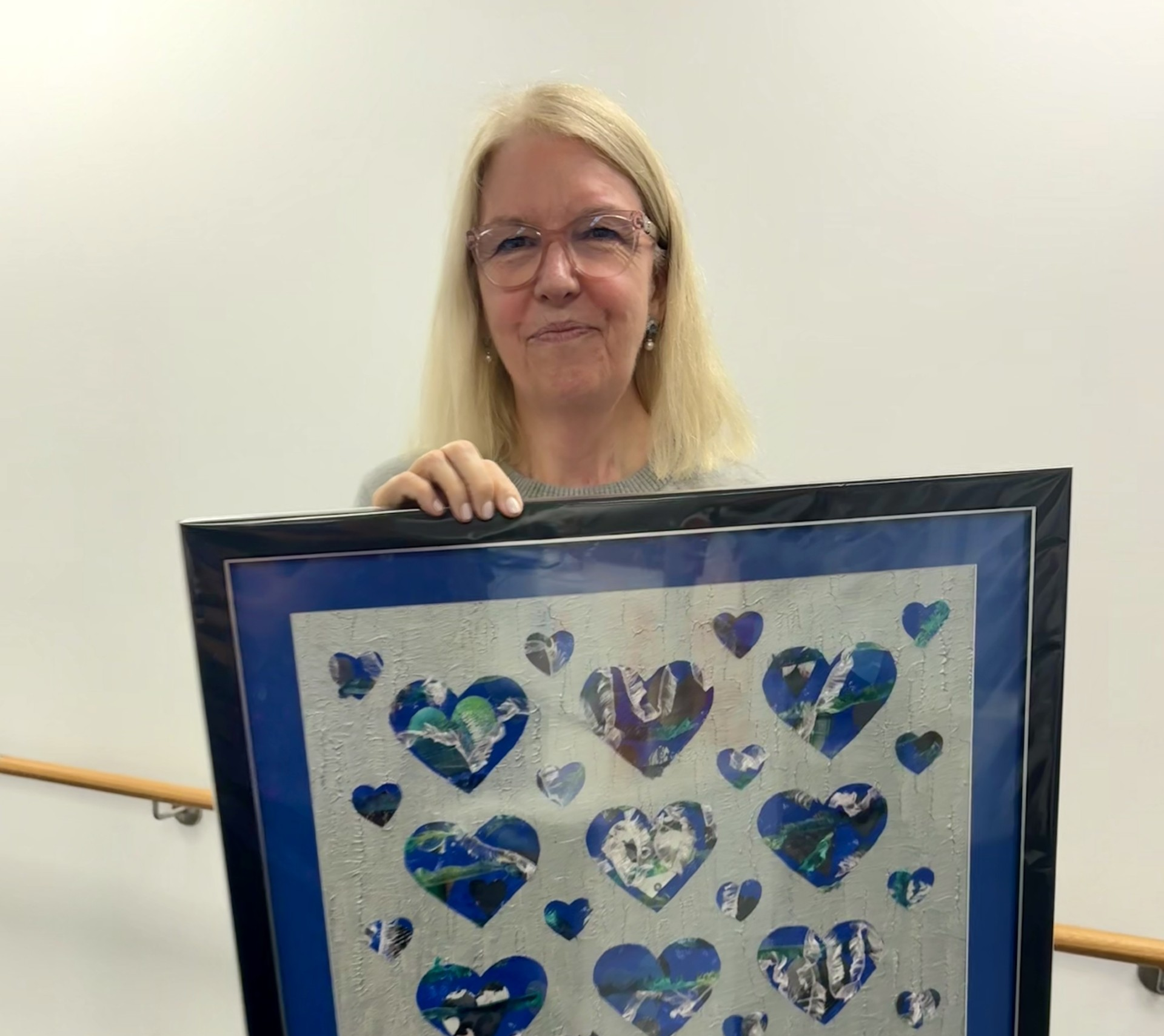
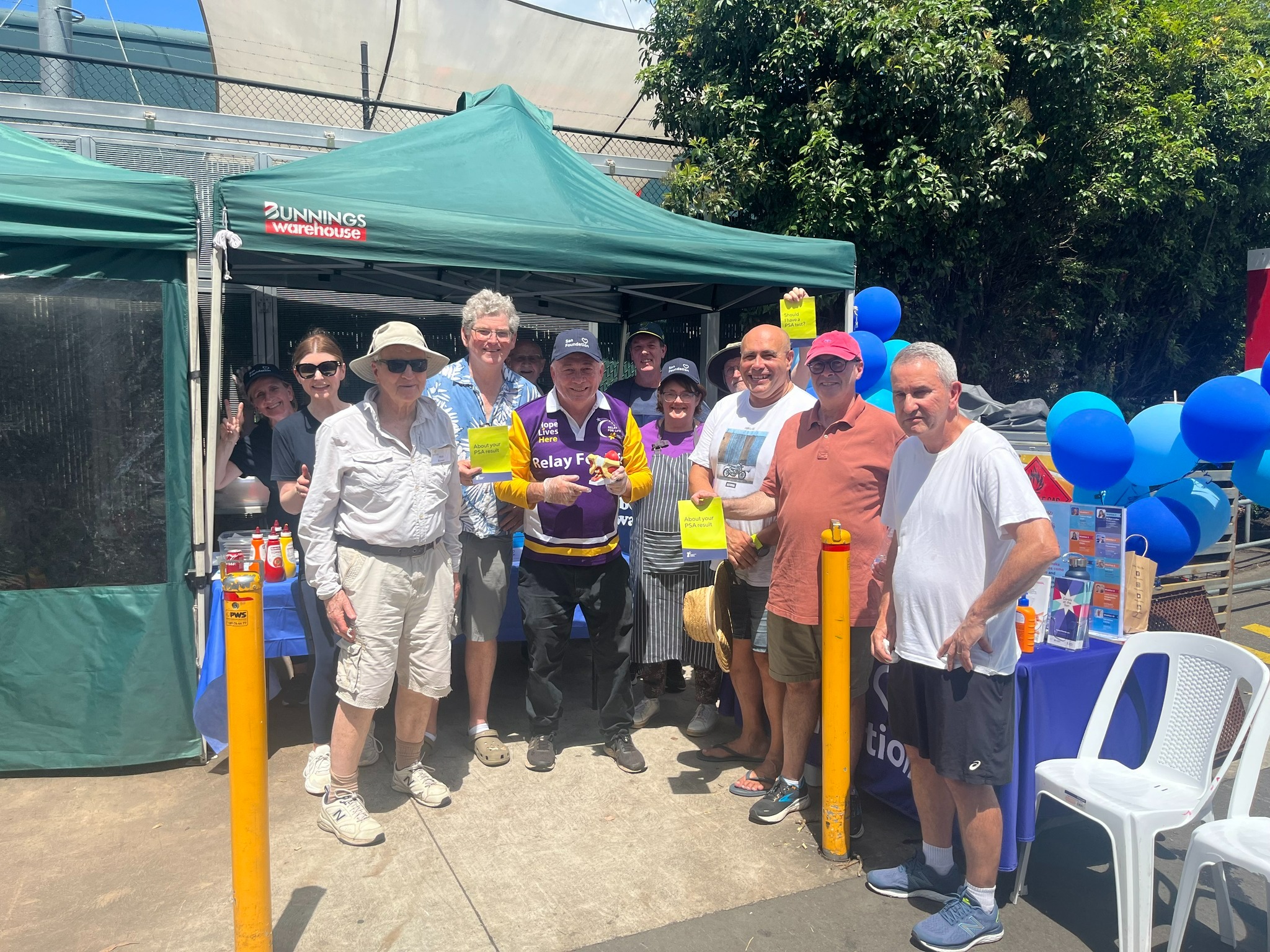
I would like to express my heartfelt gratitude for your generosity and support throughout my breast cancer treatment. Your kindness has enabled me to participate in so many wonderful programs and healing experiences that have made a real difference to my journey.
The reflexology sessions with Rumi were absolutely amazing, providing a much-needed opportunity to relax and recharge.
Thank you for the incredible work you do and for the difference you make to women navigating breast cancer. Your generosity has helped make a challenging time a little easier and more positive, and I am so grateful.
With heartfelt thanks."
Peta, Grateful Patient
After my husband passed away from cancer, I felt grief, loneliness • and insecurity. Suddenly I was alone, solely responsible for everything to do with day-to-day life, without his loving support and presence. Family and friends were wonderful, but the loss is still there. I wasn't sleeping well and that made things seem worse.
Joining the Yoga class was a way to relax, forget my worries and fears, and just concentrate on nothing for a while. Not only was it restorative for the mind, but my body also felt more relaxed and supple, and I began to sleep better. Now I look forward to the
pleasant, relaxing 50 minutes a week with our friendly and supportive leader, Michelle, and the other friendly members of the group. There is no pressure on anybody to do more than is comfortable. Everybody works at their own level. Little by little, I have become stronger physically, mentally and emotionally.
At first, I was a bit worried about joining the class, because I had not had cancer myself, and I was aware that many of the group had and still have cancer. But because I had received an invitation, I went along. I have always felt welcome. Now, I realise that this relaxing and uplifting exercise of Yoga Nidra, is just as important for those who have experienced the burden of cancer, through a loved one in their life suffering from it, as it is for those who suffer it themselves."
Patricia, Grateful Patient
The Cancer Centre was able to fit me in at a time of heightened trauma and Ann Coffey was extraordinary. To be honest I don’t know how I would have got through the first few days and weeks without her. The Cancer Centre was a calm and supportive place for me to find some respite in the middle of a nightmarish situation. Ann listened calmly and then gave me strategies to cope with what I was processing. She also suggested that I might seek out the help of a psychologist and investigate EMDR. I have done this and am on my journey to try and process the traumatic memories longer term."
Libby, Grateful Patient